Kenny Ormsby
eSomethin Staff
On April 16th, 2026, for $70, Nintendo finally released the long awaited sequel to Tomodachi Life on the Nintendo 3DS, “Tomodachi Life: Living the Dream.”
“Tomodachi Life” allows players to fully customize their Mii’s they make for their island. This allows players to create anybody they could think of in the game, whether it be somebody they know, or even somebody fictional – the sky’s really the limit.
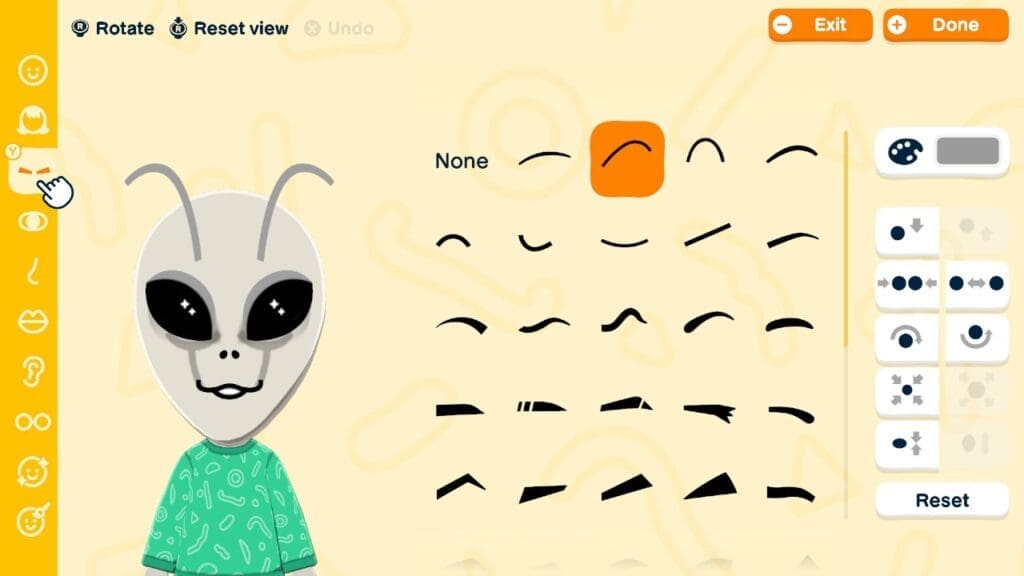
A Mii is an avatar originating from the Nintendo Wii as a way to allow personalization of their system and games. Miis commonly appeared on the home menu and in specific game titles when used.
The Good
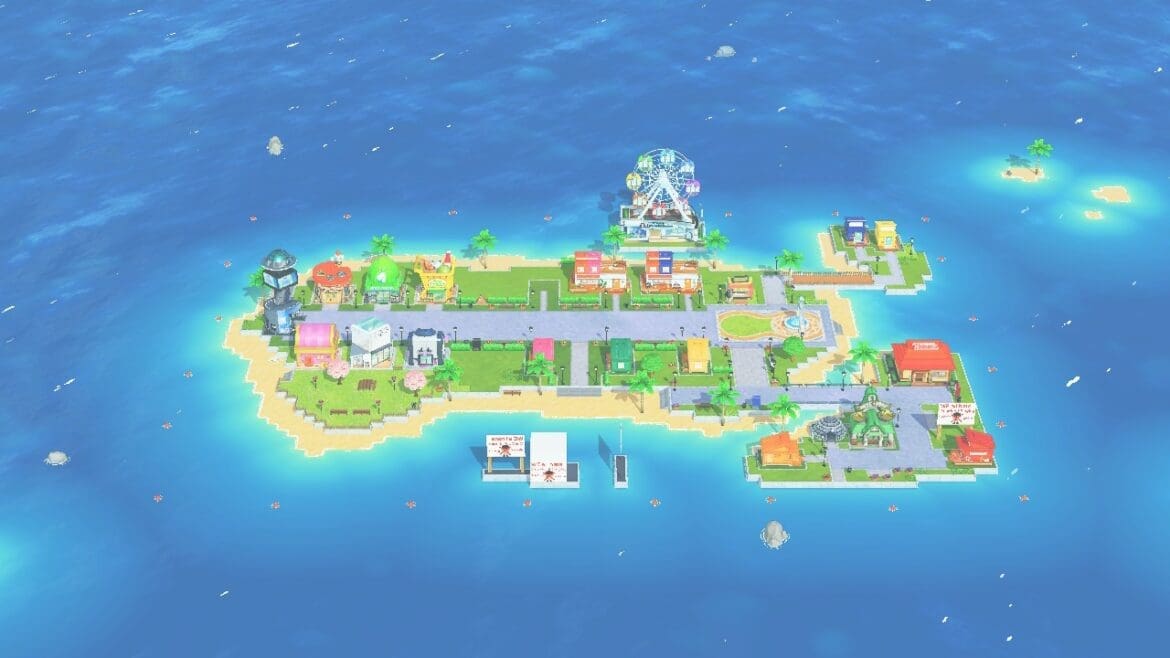
Players are also able to customize their island to their liking, similar to the Miis. Players are free to make their island either as pretty, or even as ugly as possible.
Players experience (to an extent) free expression when building. However, they were unable to overlap any objects within one another, making it difficult to build occasionally.
When a Mii becomes happier, players gain XP to level up. Happiness increases by increasing your Miis relations with other Miis and raising their happiness via giving them new clothes, food, trophies, etc. After someone levels up, they gain a “wish” for their Miis. Wishes are able to be used in the game’s “fountain” building. When you interact with it and have enough XP for a wish, a screen pops up prompting the player to unlock something new, this can come in a range of different things such as floor patterns, the ability to make custom shirts, food, objects.
Players claim a new building item from the fountain. In “Tomodachi Life: Living the Dream,” players had access to 365 building objects total throughout the game.
While the game is closed, the created Miis on the island can still build relations with one another, whether it be making friends, losing them, or maybe even something further beyond. This allows the game to make the players feel more connected and immersed with their Miis on their island.
Miis in the game have a large range of feelings for each other, such as joy, sadness, anger, and even love. In the game, Miis can even get married to each other and live together. When a Mii wants to marry their significant other, the player will have to complete a “battle style” minigame, reminiscent of Space Invaders.
A player completes the proposal minigame, prompting the confessing Mii to propose to the other Mii. Miis could fall in love with each other very quickly.
Upon beating the minigame, the proposing Mii finally confesses, and asks for the other Mii’s hand in marriage. If the other Mii says yes, then a wedding ceremony cutscene begins. During the cutscene, multiple randomly assorted Miis attend the wedding, singing a song that slightly varies depending on how they met, got together, etc.
The Bad
With every game release comes its downsides, and “Tomodachi Life Living the Dream” is no exception. On the topic of the weddings, the Miis don’t sing any of the lyrics to the song, and only hum. This is kind of weird considering one of the big aspects of the game is that the Miis talk to each other vocally.
The Miis “Tung Tung Sahur” and “Roblox” are in the middle of their wedding ceremony in “Tomodachi Life: Living the Dream.” At some point or another, the Miis could choose to divorce as well.
The game also tends to get a little boring after continuous play but that’s okay because honestly, it’s more of a game where you pick it up every once and awhile and check in on your Miis and their island. That doesn’t mean it’s impossible to continuously play it for a good amount of time, players can keep themselves occupied by editing their Miis, island, creating clothes, food, etc.
Sometimes, the Miis also tend to quickly grow their relationships with their peers, occasionally seeming at too rapid of a pace. This can make the Mii’s relations with one another feel a little too unnatural for players.
Final Thoughts
“Tomodachi Life: Living the Dream” is an amazing well polished game that was definitely worth the wait, yet no game release comes without its faults. Although the game lacks some of what its predecessor had, such as buildings like the Concert Hall, I believe it’s decently worth the high price tag.